
The Illusion of Rigging
Many individuals believe that casinos manipulate games to ensure that players consistently lose, giving rise to concerns about whether these establishments are rigged. This viewpoint often stems from personal experiences of losing streaks and the perception that the odds are stacked against the player. However, it is important to understand that while casinos do have an edge, this does not equate to outright rigging; rather, it reflects the mathematical probabilities that govern each game. For instance, many players are drawn to the excitement of online platforms like rocket casino , where the house edge is a standard aspect of all casino games and serves to balance the risk of gambling, ensuring that while players can enjoy the thrill of winning, the casino remains profitable in the long run.
In truth, each game in a casino is designed with a built-in house edge, a small percentage that ensures profitability over time. This edge is not hidden; it is part of the rules and regulations governing the games. For example, in blackjack, players can improve their odds through strategy, yet the house still retains a slight advantage. This balance keeps the games fair and entertaining, while not guaranteeing individual wins. Players often misunderstand this concept, leading them to believe that the casino is actively manipulating outcomes rather than simply maintaining a statistical advantage.
Additionally, regulatory bodies oversee casinos to ensure they comply with fair gaming practices. These organizations test and certify gaming equipment to verify that outcomes are random and unbiased. The use of random number generators in electronic games adds another layer of fairness by ensuring results are unpredictable. Thus, the perception of rigging often stems from misunderstanding rather than malicious intent on the part of casinos. Understanding that the house edge is a standard practice rather than a conspiracy can help players approach their gambling experiences with a more rational mindset.
The Role of Randomness in Gambling
Randomness is a fundamental component of all casino games, which is crucial for maintaining fairness and player trust. The outcomes in games such as slots, roulette, and poker are determined by chance, and while strategies can improve one’s chances of winning, they cannot eliminate the inherent randomness. This unpredictability is what makes gambling exciting yet also leads to misinterpretations about rigging in casinos. Players often experience fluctuations in wins and losses, which can be mistaken for unfair practices instead of being recognized as the normal variance in random events.
For example, slot machines operate on complex algorithms that ensure a random outcome for each spin. Players may feel that they are on a “cold streak” when they don’t win, but this is simply a natural variation within the context of random outcomes. Over time, the results of many spins will average out to reflect the machine’s payout percentage, which is calculated based on the game’s design and not manipulated on a whim by the casino. The randomness built into these games is designed to create an experience that is engaging and unpredictable, which is a significant part of what attracts players to gambling.
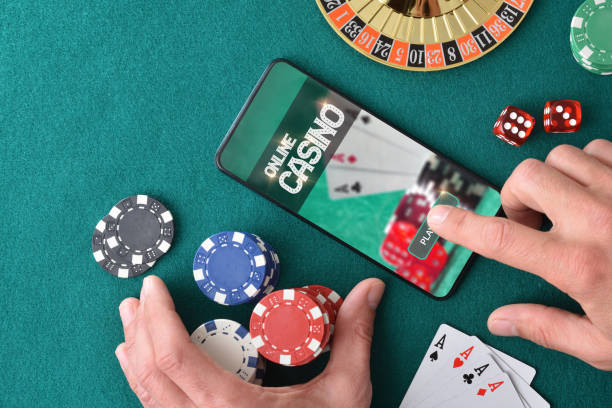
Moreover, some players believe that a game’s outcome can be influenced or predetermined through various means, such as “hot” or “cold” machines. In reality, each play is independent, and past outcomes do not affect future results. Understanding this randomness helps players approach gambling more realistically, making them less likely to feel that casinos are rigged against them. Grasping the concept of independent events can enhance a player’s enjoyment of the game, as they learn to appreciate the thrill of chance rather than succumbing to unfounded suspicions about rigging.
The Psychological Aspect of Losing
The psychological impact of losing in a casino can lead many players to perceive that the games are unfairly rigged. When individuals experience consecutive losses, it can create feelings of frustration, confusion, and even paranoia about the integrity of the games. This perception is exacerbated by the emotional investment players have during their gaming experiences, making it difficult to rationalize losses as part of the risk involved. The intensity of the gambling experience can cloud judgment, leading to an overemphasis on perceived injustices rather than a balanced view of the game’s nature.
Behavioral biases, such as the gambler’s fallacy, also play a role in this mindset. Players may believe that after a series of losses, they are “due” for a win, leading them to take risks beyond their means. This behavior can create a cycle of blame directed toward the casino rather than acknowledging the role of chance in their losses. Recognizing these psychological factors can help players develop a healthier approach to gambling, focusing on the enjoyment of the game rather than fixating on outcomes. Understanding the emotional landscape of gambling is essential for fostering a responsible and enjoyable experience.
Building a healthy gambling mindset includes recognizing that losing is part of the game. Many players approach casinos with the expectation of winning, which can cloud their judgment when luck does not favor them. By fostering a more informed and balanced perspective, individuals can enjoy the thrill of the game without falling into the trap of believing that the odds are rigged. Acknowledging the emotional highs and lows of gambling can empower players to make better decisions, enhancing their overall experience while mitigating feelings of frustration and helplessness.
Regulations and Fair Play Standards
Casinos operate under a strict framework of regulations designed to ensure fair play and protect consumers. These regulations are enforced by governmental and independent bodies that monitor gaming practices and ensure compliance with established standards. Regular audits and inspections are conducted to ascertain that gaming operations remain transparent and honest, giving players a sense of security while they gamble. Such measures are critical in maintaining public trust and ensuring that players feel confident in the integrity of the games they are participating in.

The implementation of technology, such as random number generators and other auditing tools, further enhances the integrity of casino games. These technologies undergo rigorous testing to confirm that they produce fair and unpredictable outcomes. Independent organizations often evaluate this technology to ensure it meets industry standards, thus reassuring players that they are engaging in a fair gaming environment. This oversight helps to dispel myths about rigging and reinforces the idea that casinos operate within a framework of accountability and fairness.
Additionally, many jurisdictions implement measures to promote responsible gambling. This includes providing resources for players who may be struggling with addiction and promoting awareness of the risks associated with gambling. By prioritizing player protection, casinos distinguish themselves as establishments that value their customers, thereby countering the narrative that they are rigged against the players. This commitment to responsible gaming practices not only enhances the credibility of casinos but also fosters a culture of awareness and care within the gambling community.
Understanding Gambling Through Education
The best way to combat misconceptions about rigging in casinos is through education. Players who take the time to learn the rules, probabilities, and mechanics of the games they play are better equipped to understand the nature of gambling. Familiarizing oneself with how house edges work, as well as recognizing the importance of responsible gaming practices, can lead to a more positive gambling experience overall. This knowledge empowers players to make informed choices, reducing the likelihood of falling prey to unfounded fears about rigging.
Casinos also play a role in this educational aspect by often providing accessible information about the odds and rules of their games. Many establishments offer workshops, tutorials, or informational resources to help players understand the games better. This transparency helps to demystify gaming and aligns player expectations with reality, paving the way for enjoyable experiences without the burden of misconceptions. By fostering an environment of learning, casinos can enhance player engagement and satisfaction.
Ultimately, education empowers players to make informed decisions about their gambling habits. By understanding the odds and accepting the inherent risks involved, players can approach their gaming experiences with realism and enjoyment rather than fear or suspicion of rigging. This informed perspective allows individuals to appreciate the thrill of gambling without falling prey to false beliefs. Emphasizing education in the gambling space can lead to a more responsible and fulfilling experience for players, encouraging them to focus on the entertainment value of the games rather than the anxiety of rigging fears.